
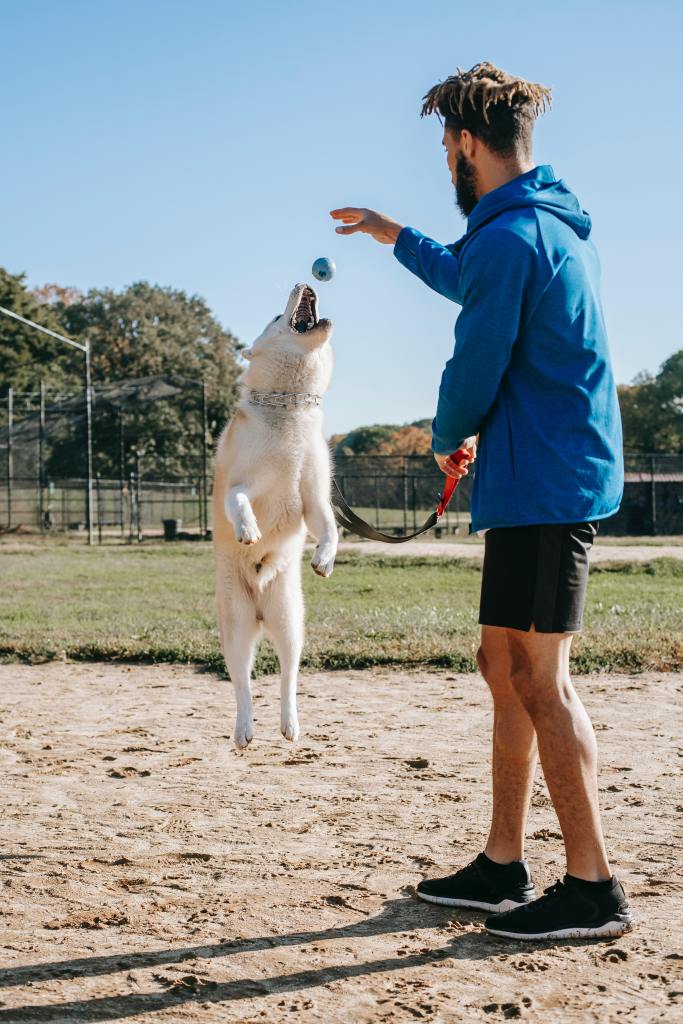
Understanding Canine Communication Dogs communicate through body language, vocalizations, and scents. In this chapter, you will learn how to interpret and respond to your dog’s communication signals. By understanding your dog’s body language, you can avoid miscommunications and build trust.
Observe body language: A dog’s body language can communicate a lot about their emotional state. Observe the position of their ears, tail, posture, and eyes to better understand how they are feeling. For example, a dog with their ears pinned back and tail between their legs is likely scared or anxious.
Pay attention to vocalizations: Dogs use different types of vocalizations, including barking, whining, growling, and howling, to communicate their needs and emotions. For example, a high-pitched bark may indicate excitement, while a deep growl could be a warning sign of aggression.
Sign up for the Unique Dog Training Course
Consider scent communication: Dogs also use scent to communicate with each other and with humans. For example, dogs may mark their territory with urine to communicate their presence to other dogs. Respond appropriately: Once you understand your dog’s communication signals, respond appropriately to their needs. For example, if your dog is showing signs of fear or anxiety, provide comfort and reassurance. If your dog is barking excessively, try redirecting their attention to a more positive activity.
Overall, understanding canine communication is key to building a strong bond with your dog and addressing any behavior or emotional issues they may be experiencing.

 Words4Profit
Leave a comment